How 2 Escape: A cooperative, communication-first train escape
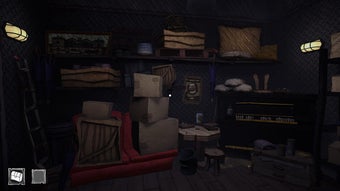
How 2 Escape, developed by Breakfirst Games, places two players into a tense, cooperative puzzle scenario where one character must stop a runaway train before time expires. One player controls Emy on the train while the other uses a companion app off-console to read documents and guide solutions through precise verbal descriptions. The design pairs asymmetrical roles, timed carriage puzzles, and cross-device interaction to force coordination under pressure. Fans of escape rooms and party co-op get the most value from this title.
It makes spoken coordination the central gameplay loop
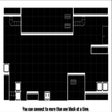
Emy and Johann occupy different information spaces: Emy moves through a high-speed train while Johann consults documents in a separate app. Neither player can view the other's screen, so progress depends on clear, descriptive speech and careful listening. Puzzles combine logic, observation, and sequence memory, and players must reach the locomotive's brake lever before the carriage timer ends.
Two-player co-op is mandatory and supports local offline play
Only paired play is supported: the experience requires two people, with one using the console and the other using the app on a phone, tablet, or PC. Only one person needs to own the main game to involve a partner, and local 'couch co-op' works without an internet connection. Remote sessions rely on an external voice channel for communication.
Timed carriages shape difficulty and retry patterns
Each wagon imposes a strict time limit: failure when the timer expires sends players back to retry the carriage, which rewards quick, accurate exchanges. The app's accessible layout helps families and non-gamers join, while the constant time pressure creates a brisk, high-stakes rhythm that favors talkative, focused pairs over calm solo puzzleing.
A focused pick for partners who enjoy pressure-driven puzzles
Reception skews Mostly Positive, indicating that many players appreciate the communication-driven design, though some users note a steep difficulty curve in later puzzles. This title suits duos who want compact, talk-heavy sessions and frequent restarts when mistakes happen. Those who prefer solitary or relaxed puzzling should consider their tolerance for timed, cooperative pressure before settling in.